Foundations
Your body isn't broken —
it's asking for the right support.
Most people spend years treating symptoms without ever asking why.
Here, we get to the root — so the healing actually lasts.
The four areas we work in
Gut health
"My gut is a mess and nothing I try seems to stick."
Your gut is the foundation of almost everything — immunity, mood, hormones, energy. When it's off, everything else tends to follow. The problem is, most gut approaches only address symptoms (bloating, constipation, diarrhea) without ever asking why the gut is struggling in the first place.
The real culprits are usually a combination of things: chronic stress that disrupts gut motility, an imbalanced microbiome, a compromised gut lining, and foods that are reacting with your unique system. You don't need more elimination diets — you need a real reset.
This pathway is for you if you have:
Bloating after meals
Constipation or diarrhea
Food sensitivities
Stomach pain or cramping
Brain fog after eating
Skin flare-ups
Low immunity
Acid reflux
First Steps
Slow down at meals. Digestion begins in your nervous system — not your stomach. Eating in a calm, seated state changes everything about how your gut responds.
Start a food + reaction journal. Not to eliminate foods immediately, but to notice patterns. What you eat at 12pm may not show up as a symptom until 8pm.
Support your gut lining first. Before adding probiotics or cutting foods, focus on the basics: minerals, hydration, and reducing inflammatory foods.
Address stress in parallel. A chronically stressed nervous system will undermine even the best gut protocol. These two always go together.
Resources for this pathway:

Free Guide
The First 5 Things I Change with Every Client
Gut basics are step two - right after nervous system. Start here to understand the full foundation.
Quick Guide $9
Reset & Renew: Your Whole Body Detox Plan
A gentle whole-body reset that starts with the gut and works outward from there


Free Tool
Symptom Tracker + Clues
Track what you eat and how you feel afterward. The single tool that reveals the most in the shortest time.
Book
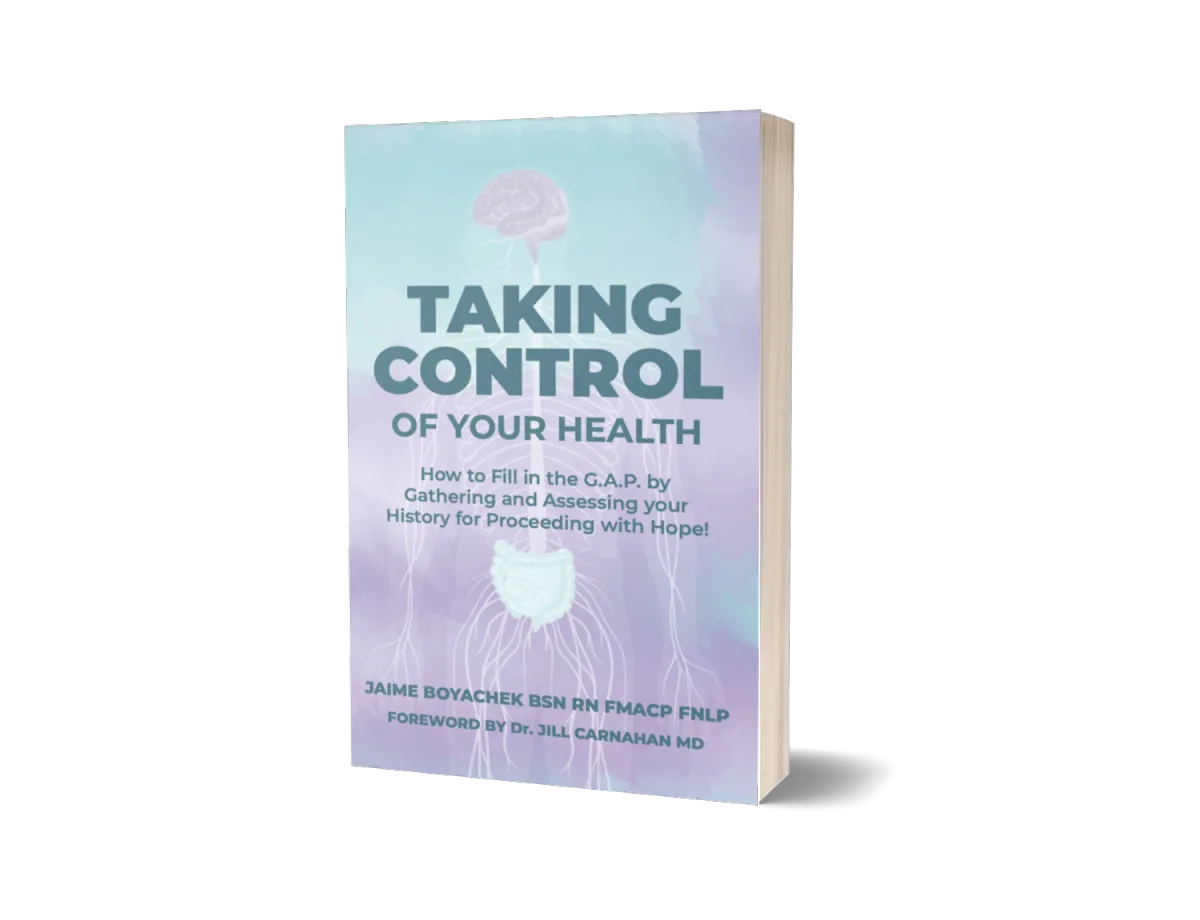
Taking Control of Your Health
The complete picture, including how gut health connects to every other system in your body
Lab Testing $457
GI Map: Find Out What's Actually Living in Your Gut
Bloating, food reactions, and gut symptoms that don't respond to diet changes often have a root cause that you simply can't guess at — you have to test for it. The GI Map looks at pathogens, parasites, bacteria balance, inflammation markers, and digestive function all in one panel.

Hormone Balance
"I feel like a completely different person than
I used to be."
Hormones don't go rogue on their own. They respond to signals — from your stress levels, your gut, your sleep, your blood sugar, your nervous system. When people say their hormones are "out of whack," what they're usually describing is a body under too much load with too little support.
The foundational work comes first — because no amount of progesterone cream or hormone therapy will hold if the underlying stress and inflammation patterns aren't addressed. This pathway shows you where to start and why it matters.
This pathway is for you if you have:
Irregular or heavy periods
Mood swings
Waking at 3am
Weight changes
Low libido
Anxiety or irritability
Perimenopause symptoms
Hair thinning
First Steps
Stabilize blood sugar first. Blood sugar swings are one of the most disruptive forces in hormone balance — and they're addressed through simple, consistent eating patterns, not a special diet.
Understand your cortisol pattern. Cortisol and progesterone share a precursor — when cortisol is chronically high, hormone production suffers. Nervous system regulation is not optional here.
Support detox pathways. Your liver, gut, and lymphatic system are responsible for clearing excess hormones. If those pathways are sluggish, even "good" hormones pile up and cause problems.
Track your cycle and symptoms. Patterns across the month tell you far more than a single lab snapshot ever will.
Resources for this pathway:
Free Tool
Symptom Tracker + Clues
Check your symptoms and what these could mean. The single tool that reveals the most in the shortest time.
Quick Guide $9
Hormonal Harmony: Your Stress Solution for Total Wellness
The connection between stress and hormones - and the foundational steps to bring both back into balance.

Book
Taking Control of Your Health
Understand how your hormone system connects to anything else and how to use the G.A.P. method to move forward.
Stress & Energy
"I'm exhausted all the time — and anxious on top of it."
Exhaustion that sleep doesn't fix is almost never just about sleep. It's about a nervous system that never truly downregulates — a body that's been running on stress hormones for so long that it's forgotten how to rest. Over time, this pattern depletes your adrenals, dysregulates your cortisol, and leaves you wired but tired at the same time.
This isn't weakness — it's physiology. And it's reversible. But it requires working with your nervous system, not against it — and understanding that pushing harder is often what got you here in the first place.
This pathway is for you if you have:
Wake up exhausted
2pm energy crash
Wired but tired
Anxiety or overwhelm
Can't wind down at night
Reactive to stress
Brain fog
Craving sugar or caffeine
First Steps
Slow down at meals. Start with your morning. The first 30–60 minutes of your day set your cortisol tone for the rest of it. A calm, intentional morning is one of the highest-leverage changes you can make.
Stabilize blood sugar. Skipping meals, eating high-sugar foods, or going long gaps without eating sends a stress signal to your nervous system — even if life feels calm.
Add minerals before stimulants. Most people are depleted in magnesium, potassium, and sodium — the minerals your nervous system needs to function. Caffeine borrows energy you don't have.
Create an evening wind-down. Your nervous system needs a clear signal that the day is over. Consistent evening practices are not optional — they're medicine.
Resources for this pathway:

Free Guide
Calm Mornings & Peaceful Evenings
Morning and evening routine practices designed around your nervous system - not another overwhelming checklist.
Quick Guide $12
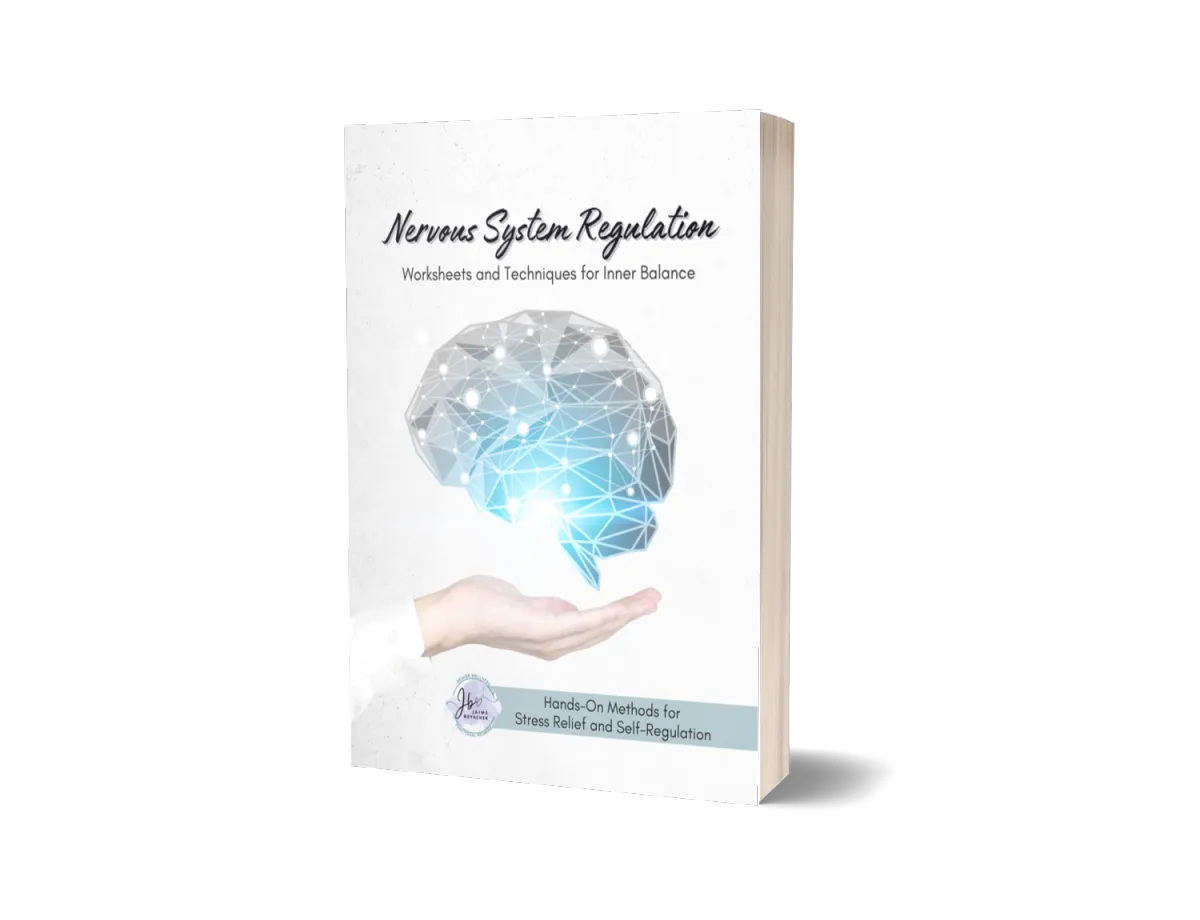
Nervous System Regulation: Worksheets and Techniques for Inner Balance
Hands-on tools to move your body out of fight-or-flight even on your hardest days.
Free Guide
The First 5 Things I Change with Every Client
Nervous system regulation is step one on this list - for a reason. See the full foundation here.
Book
Taking Control of Your Health
Understand the full picture how stress affects your body system - and the G.A.P method to grow through it.
Complex / chronic
"I've tried everything. Nothing has helped. Nobody seems to get it."
This is the hardest place to be — and the most common place people land before they find Rewire Wellness. Multiple diagnoses. Sensitivities to everything. Practitioners who either dismiss you or can't find an answer. Years of trying things that help a little, then stop working.
Complex and chronic cases require a different lens. The body isn't broken — it's overwhelmed. The work here is slower, gentler, and more layered. It starts with safety signals, not aggressive protocols. It respects that your system has been through a lot and needs to be met where it is, not pushed past its capacity.
This pathway is for you if you have:
Multiple diagnoses
Sensitive to supplements
Autoimmune condition
Mold or chemical sensitivity
Seen many practitioners
Feel worse before better
Nothing seems to stick
First Steps
Slow down before you add anything. More protocols, more supplements, more eliminations — these often backfire with complex cases. The first step is usually subtraction, not addition.
Prioritize the nervous system above all. A dysregulated nervous system is at the root of most chronic cases. Nothing else works well until your body feels safe enough to heal.
Read your history. Your full health timeline — childhood illnesses, major stressors, infections, medications — tells a story that a single lab panel never can. The G.A.P. method was made for this.
Start with the gentlest version of everything. Lower doses. Simpler protocols. One thing at a time. Your body needs to build trust before it can build health.
Resources for this pathway:
Quick Guide $12
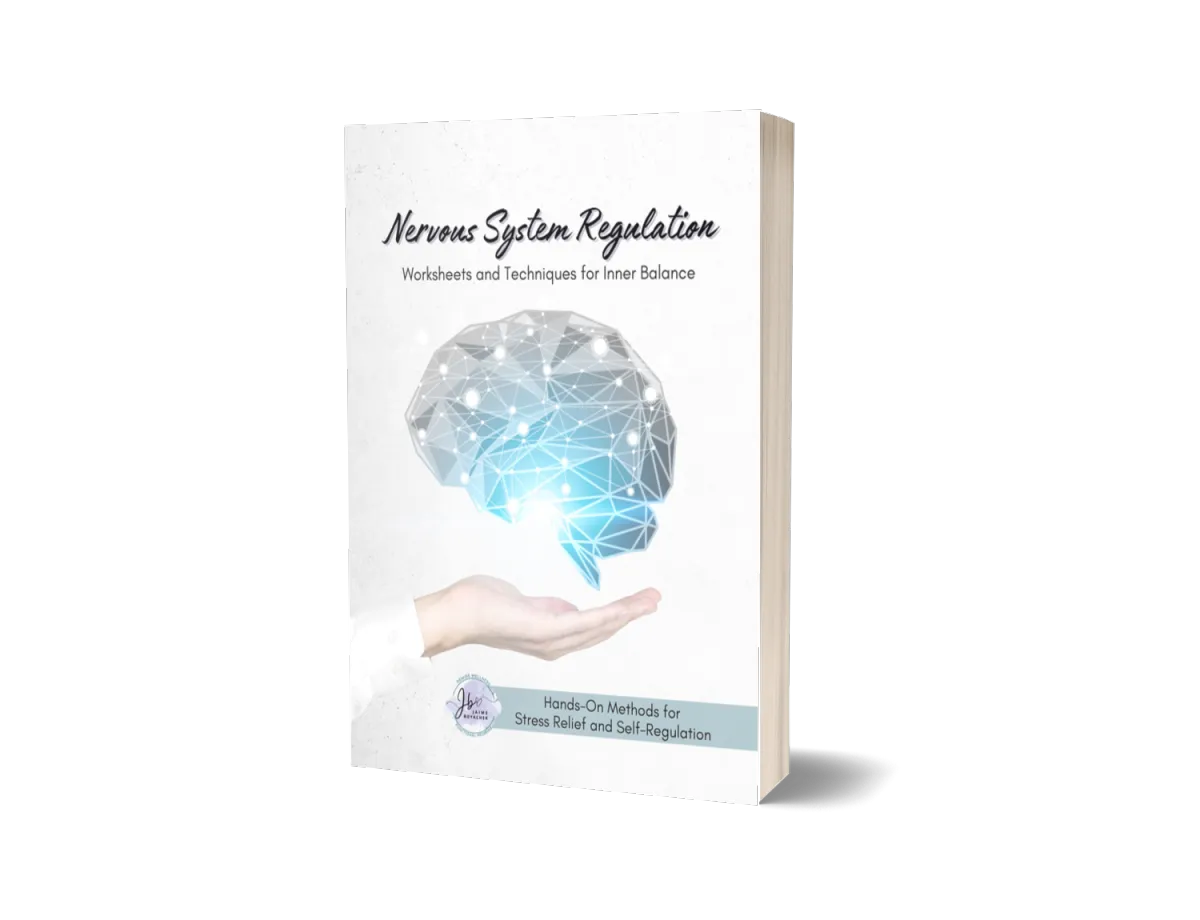
Nervous System Regulation: Worksheets and Techniques for Inner Balance
Gentle practical tools for a sensitive system. Designed for exactly where you are right now.
Quick Guide $9
Reset & Renew: Your Whole Body Detox Plan
A gentle, low aggression reset for sensitive systems - supports drainage and detox without overwhelming the body.
Free Tool
Symptom Tracker + Clues
Check your symptoms and what these could mean. The single tool that reveals the most in the shortest time.
Book
Taking Control of Your Health
The G.A.P. method - Gather, Assess, Proceed - was designed for complex cases. This is your map.
Lab Testing $457
GI Map: Stop Guessing. Start With Data.
When nothing has worked and labs keep coming back "normal," it's usually because the wrong things are being tested. The GI Map is one of the first tests I reach for with complex cases — because most chronic issues have a gut component that standard bloodwork completely misses.
Not sure which path fits you?
Start with the free Symptom Tracker. After this, most people
get a very clear picture of where to go next.